





Projekt CHOO (Sanitary facilities)
Only 37% of the population in sub-Sahara Africa (24% in Tanzania) have access to a toilet. But hygiene is a basic element to prevent maladies like typhoid fever, hepatitis A, cholera, worm infestation and other intestinal diseases. Every hour, 115 people in Africa die as a result of lacking sanitary hygiene. These are fatalities which could be prevented with easy means. Furthermore, access to sanitary facilities and toilets would allow more children (in particular girls) to attend school.
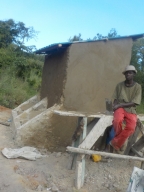
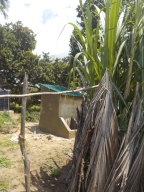
It is our intention to build as many dry toilets as possible for schools in Zanzibar and the mainland of Tanzania. Those toilets are an optimum solution because they are not harmful to the environment, they need no water connection and no other sewage plant or canal pipes, they prevent deceases and are also affordable for poor people.
If you want to donate specially for this project, please note "project CHOO" on your payment.
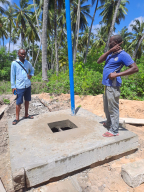
Implementation on mafia island, October - december 2023
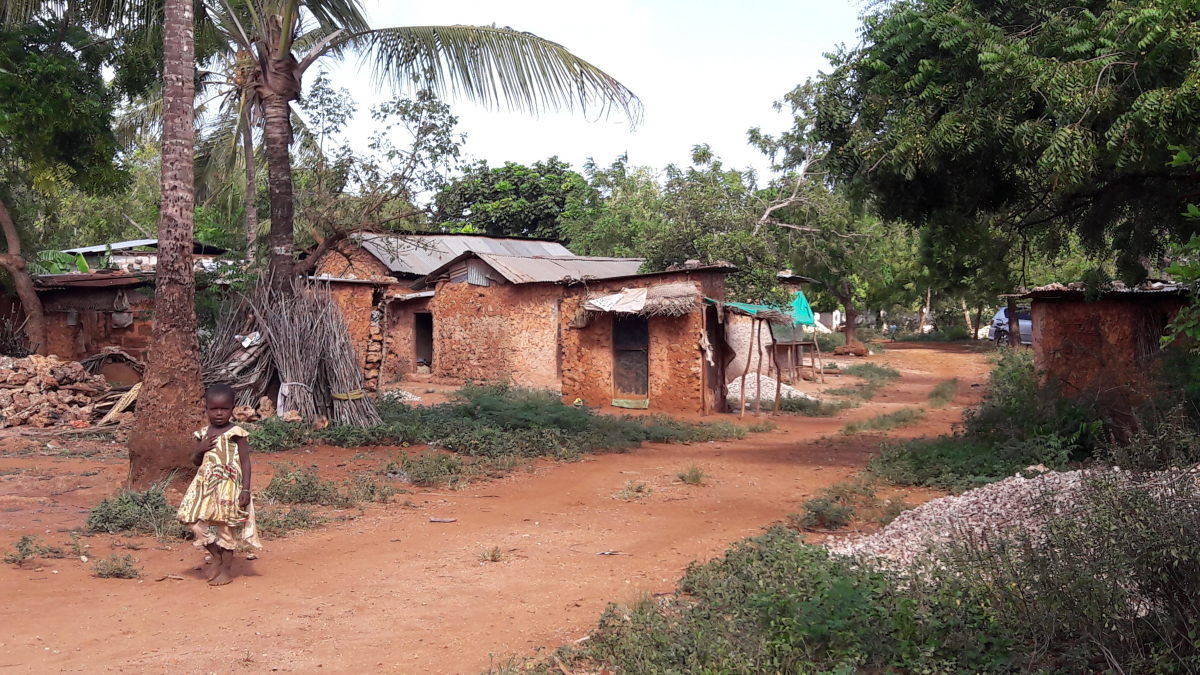
Me (Malou) and our local colleague King, travelled to the island of Mafia (south of Zanzibar) in mid-October to build 12 toilets. We were asked by Mike Dempsey from South Africa, who builds a backpacker accommodation on this island (www.monkeybay.co.za) and quickly realized that there was a lack of public toilets in the small villages and hamlets.
After our arrival, we had to obtain permission for construction from the responsible district commissioner. Afterwards we took a tour on Mafia to see where the toilets were desperately needed. We chose the hamlets of Kirongwe, Jimbo, Futa, Kidika and Kivuni.
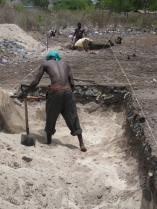
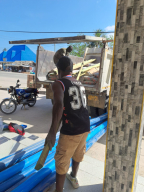
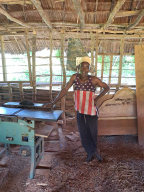
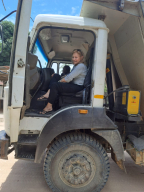
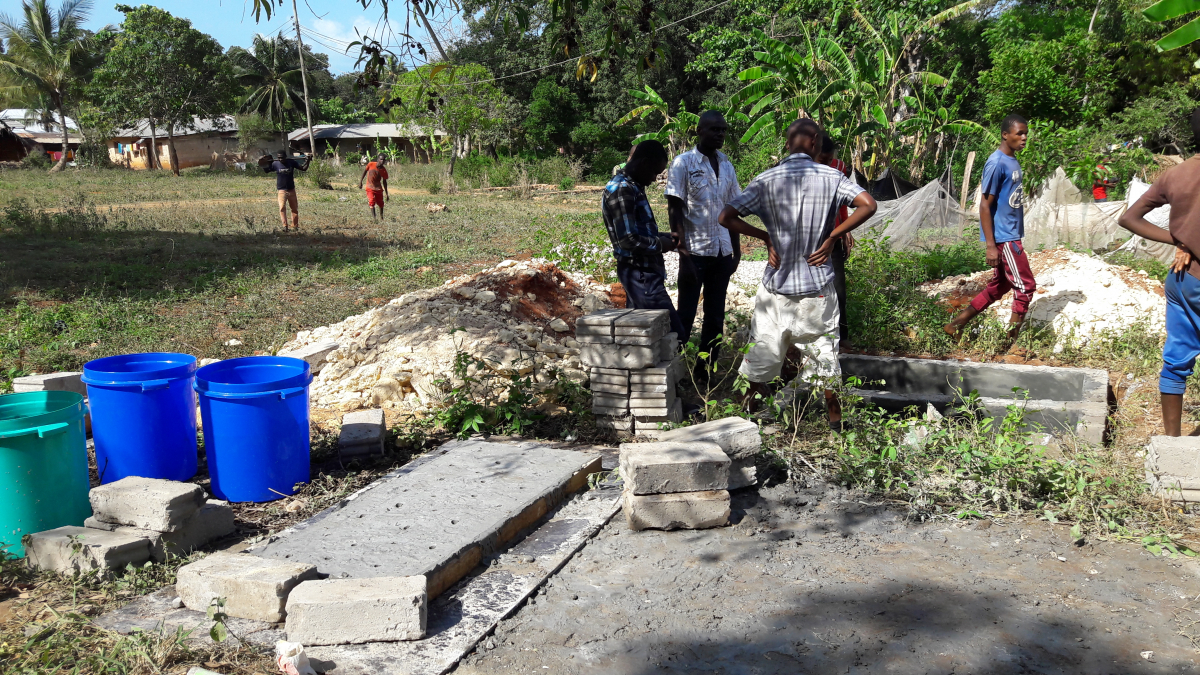
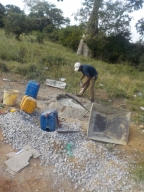
Once it was clear where to build, King started looking for suitable workers and a site manager. He quickly found what he was looking for and the very next day we started shopping for the building materials. These were transported by trucks on rather bumpy roads.
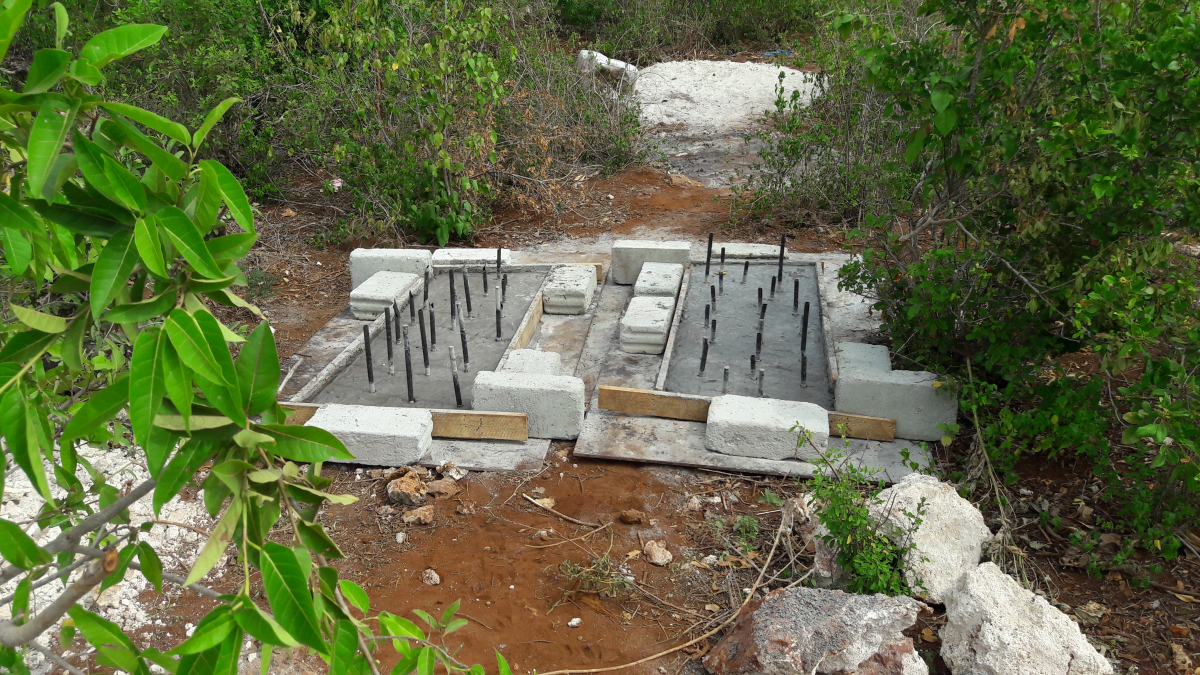
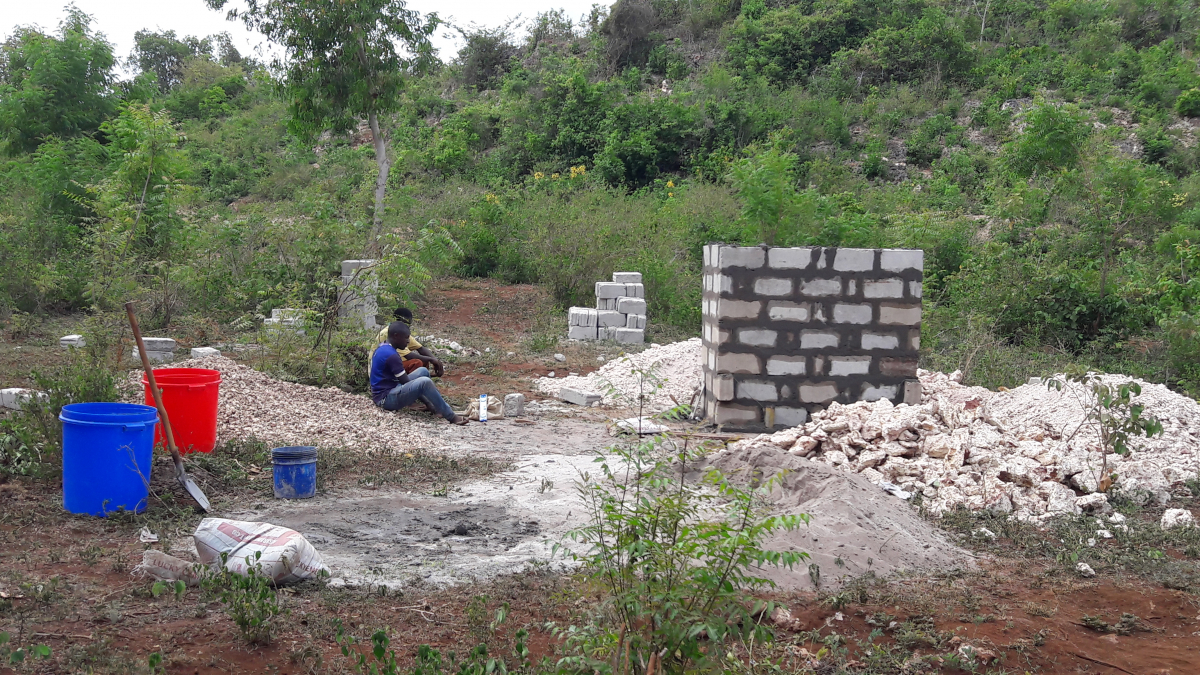
The first week everything went according to plan and the work progressed very quickly. About 4 weeks were planned for all toilets. But then incredibly heavy rains set in, unusually long for this time of year, which greatly hampered the construction work. We organized large cover sheets so that construction could continue to some extent despite the rain.
We had no choice but to wait for better weather. An extension of a maximum of 3 weeks was possible, but then we had to go back to Zanzibar, because there were still young people who had to be registered at the university before my return, and the exercise books for all children had to be bought and distributed.
The waiting was tedious and slowly I got nervous because we were running out of time. I often had the feeling that we wouldn't make it in time.
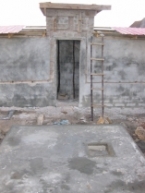
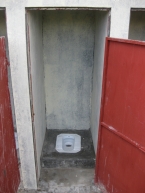
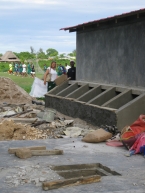
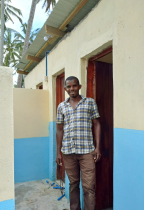
Despite all the adversities, all 12 toilets were completed on December 2nd and we were able to take the last sightseeing tour and photos. Although the paint of the last toilets had not yet completely dried.
In any case, the inhabitants of the hamlets were very happy about the toilets and so were we.
At this point, a big thank you to our long-time friend Beryl Mandara in Zanzibar, who has always supported me morally by phone and showed an unshakable belief in the timely success.
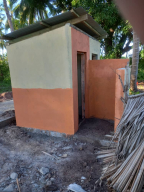
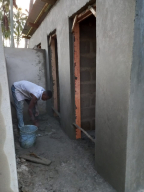
impplementation in handeni, february-april 2020
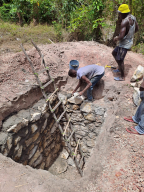
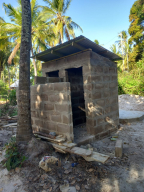
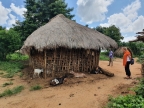
This year we were able to build 16 toilets on the Tanzanian mainland in the two hamlets Kolonga and Kinkwembe. In addition to the unexpectedly heavy rainfall, which made the already bad roads completely impassable, the Corona virus broke out at the end of February, which did not make the work any easier. When we returned home end of February, only half of the required toilet holes were finished. Thanks to the persistent efforts of our project manager King Banda, all toilets could be completed in May, to the great joy of the villagers.
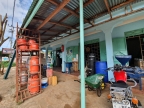
Reconstruction in Kidoti, August 2019
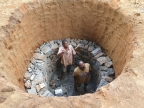
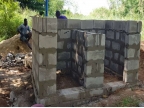
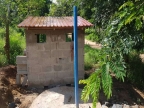
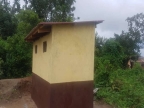
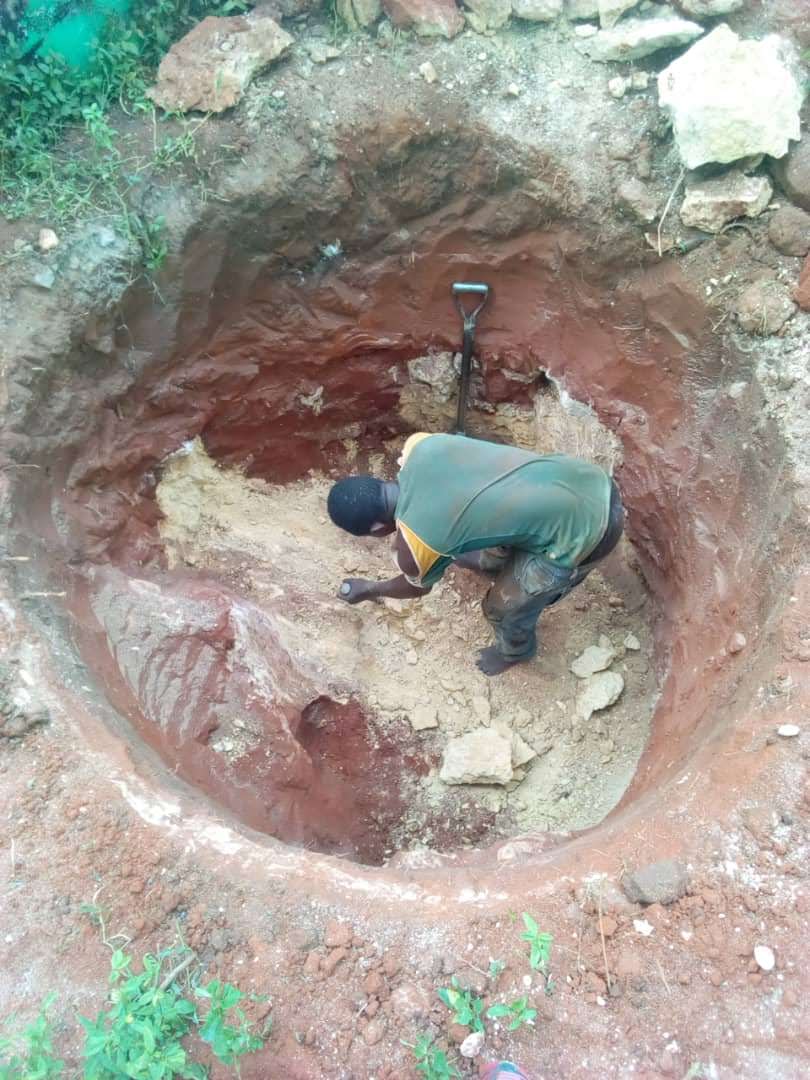
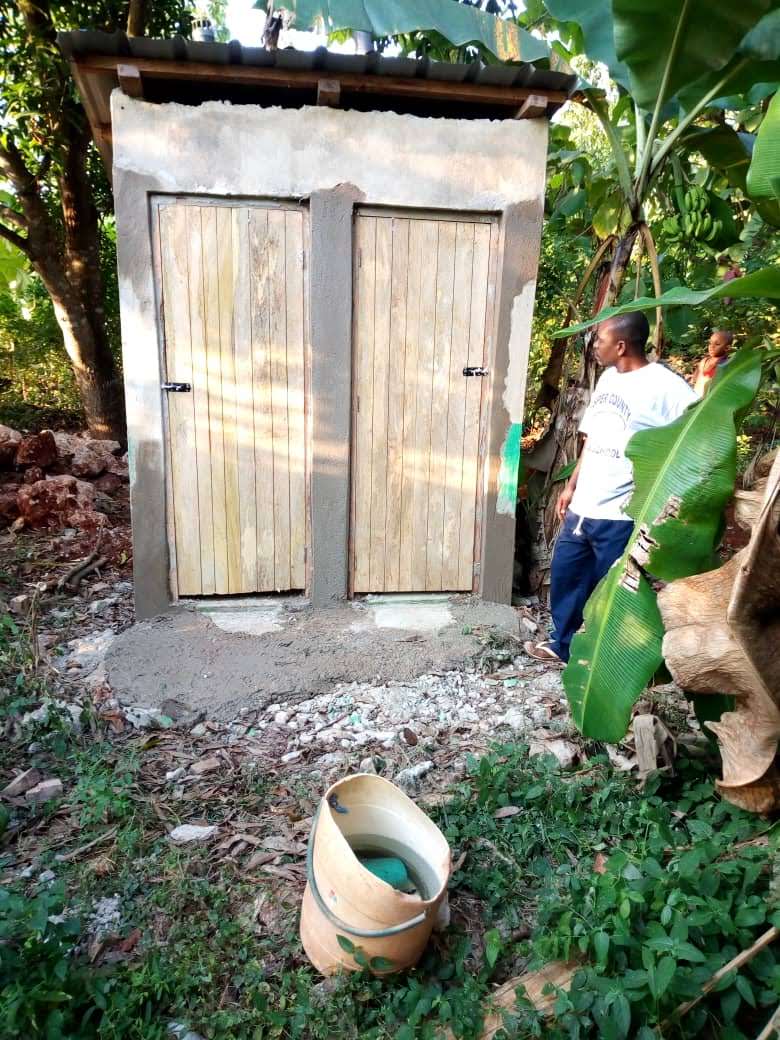
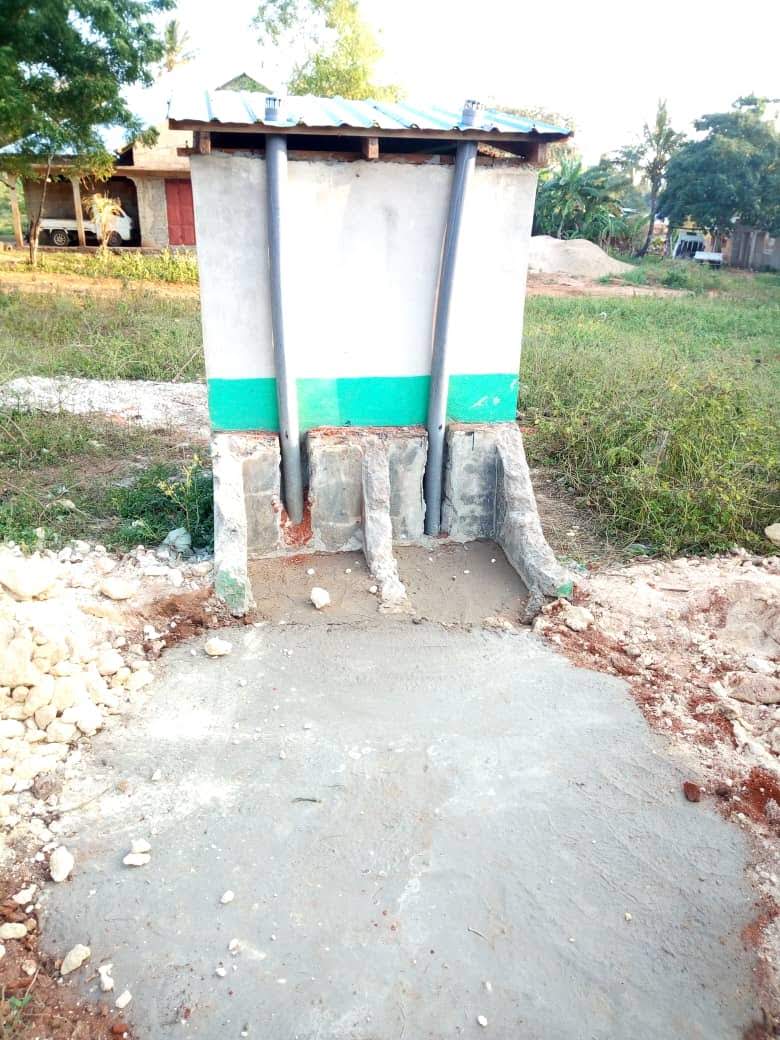
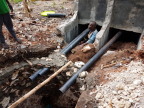
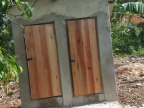
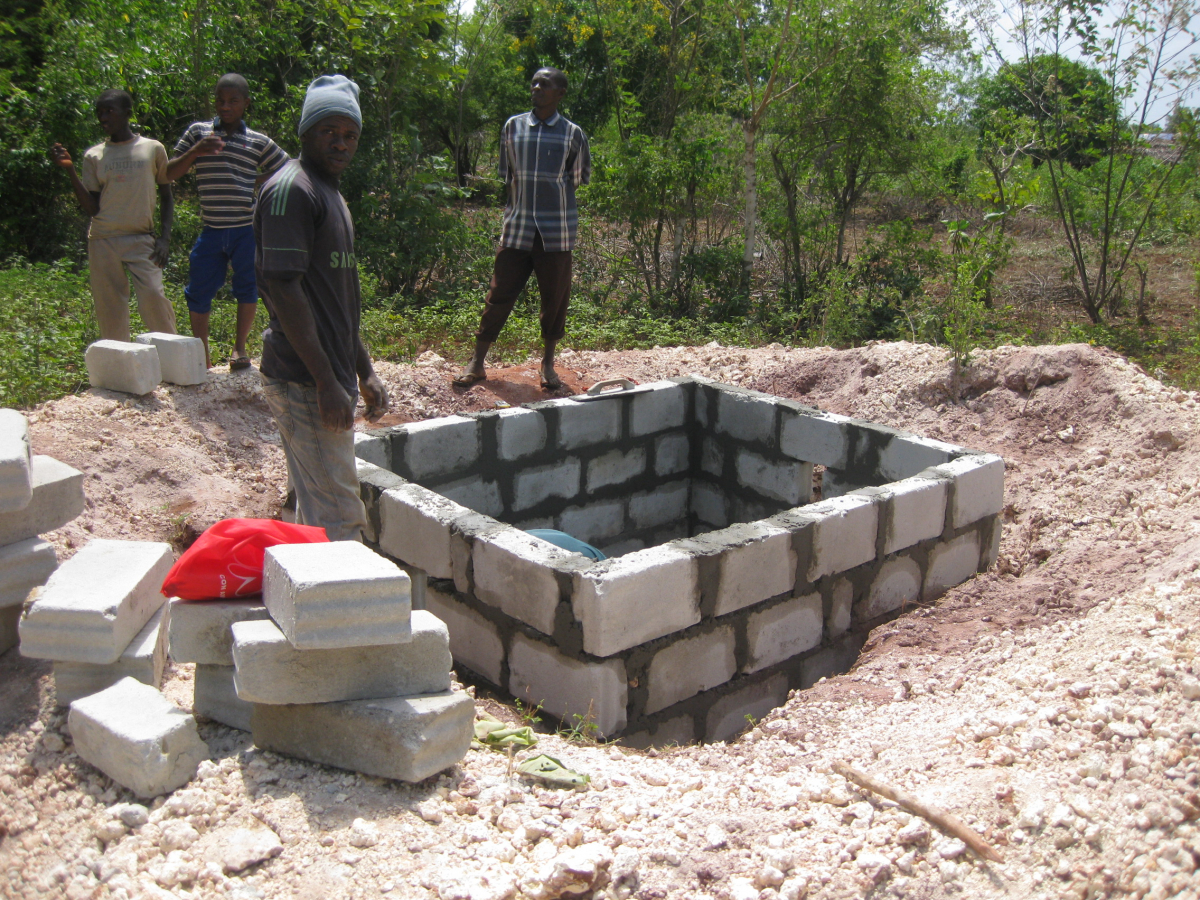
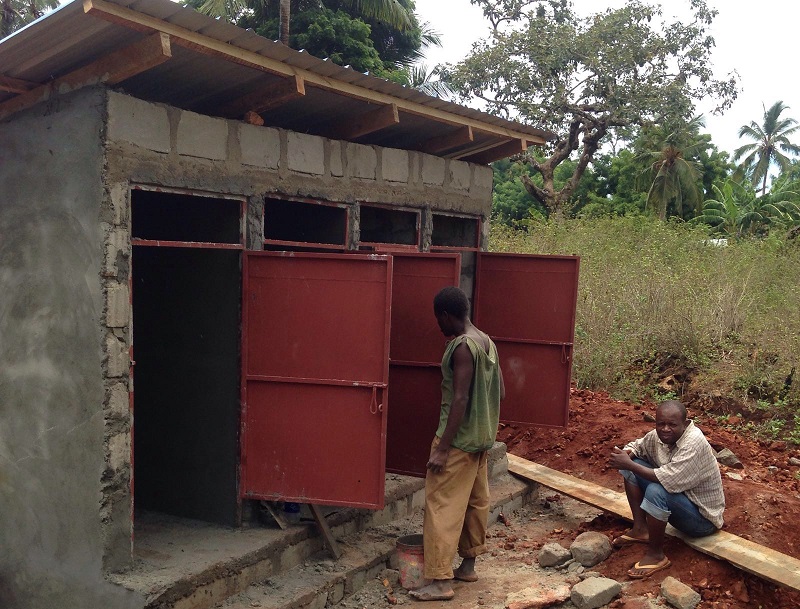
During Malou's summer vacation spent in Zanzibar, all 16 toilets were adapted to the new methods of construction and rebuilt accordingly. The iron doors were replaced by hardwood doors, the substructure (dry area) was filled up, a septic tank was excavated and connected to the toilet by a pipe.
This means that all 92 toilets that we built between 2011 and 2017 have been renovated and adapted to the new design.
reconstruction in fukuchani, january-february 2019
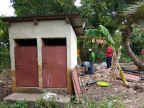
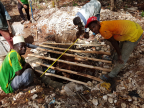
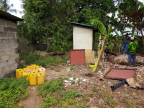
During our stay in Zanzibar all 16 toilets built in 2016 could be converted in the 7 locations of the district Fukuchani.
Reconstruction in jasini + mandakini, october - dezember 2018
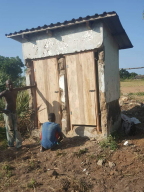
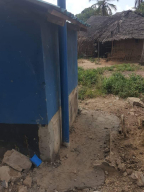
Our employee King Banda travelled to the mainland for almost 3 months to rebuild our 28 dry toilets in Jasini and Mandakini and to build two new ones according to the new principle.
Reconstruction in Kigunda, august 2018
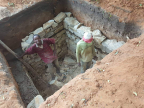
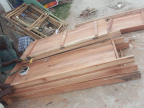
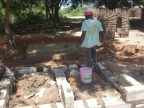
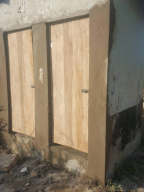
During Malou's summer vacation spent in Zanzibar, all 20 toilets were adapted to the new method of construction and rebuilt accordingly. The iron doors were replaced by hardwood doors, the substructure (dry area) was filled up, a septic tank was excavated and connected to the toilet by a pipe.

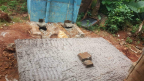

First Implementation of the new construction in zingibari, march - may 2018
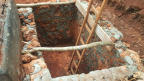
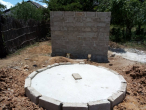
Construction of 10 toilets at fice sites in the village of Zingibari in the Tanzanian mainland, near the boarder with Kenya. For the first time, we applied the knowledge gained in January 2018. The toilets were not made with an underground drying room as before, but with a septic tank. Additionally, we have now used hardwood for all iron components.
EVALUATION, CONTROL AND REORGANISATION 2018
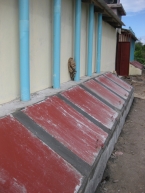
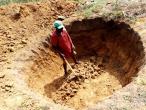
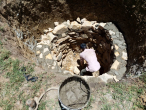
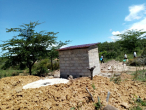
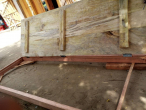
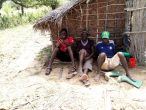
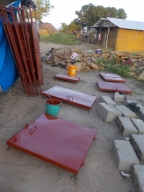
During our stay in Zanzibar in January 2018 we visited the toilets we built so far to assess the possible need for repairs. It turned out that the cabins with the aluminum roofs are absolutely intact, however we had to find out that the very saline air paired with hight humidity and strong sunlight damaged especially the toilet doors and covers, both made of metal. Rust gnaws at it. In addition, the ventilation pipes made of hard plastic were brittle due to the weather conditions. A rework is definitely necessary.
We pondered about how to fix this problem. Repairs every 5 - 7 years does not make sense since the villages often can't pay for rectifications of defects.
Since the need and demand for toilets is still high, we met the village committee of Kigunda to discuss the problem and search for the eaysiest and best solution. The locals finally presented us a new type of construction which is already known to them and therefore does not cause any difficulties in terms of construction.
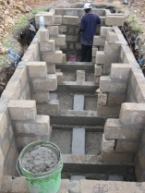
The upper structure of the toilets will stay as it is. For the doors, we will use local hardwood in future. The substructure and the rear flaps will no longer be necessary. Instead, a large hole will be excavated which serves as a septic tank. The sewer pipes lead from the toilets directly (under ground) into this pit. The pit must be emptied approx. every 6 years which is done by trucks with suction pumps. This method is not expensive so the villages can afford it.
functionality of the toilets we built from 2011 to 2017
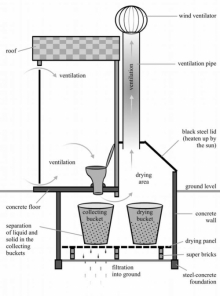 This toilet operates on a natural principle and gets by without water or electric connection. The aseptic urine will seep into the ground, where as the faeces will stay in the basket to dry out. The bacterial accumulation and odour nuisance is low due to the separation. When dried, the faeces can be used as fertilizer or simply be burnt.
Implementation in Kidoti, January 2017
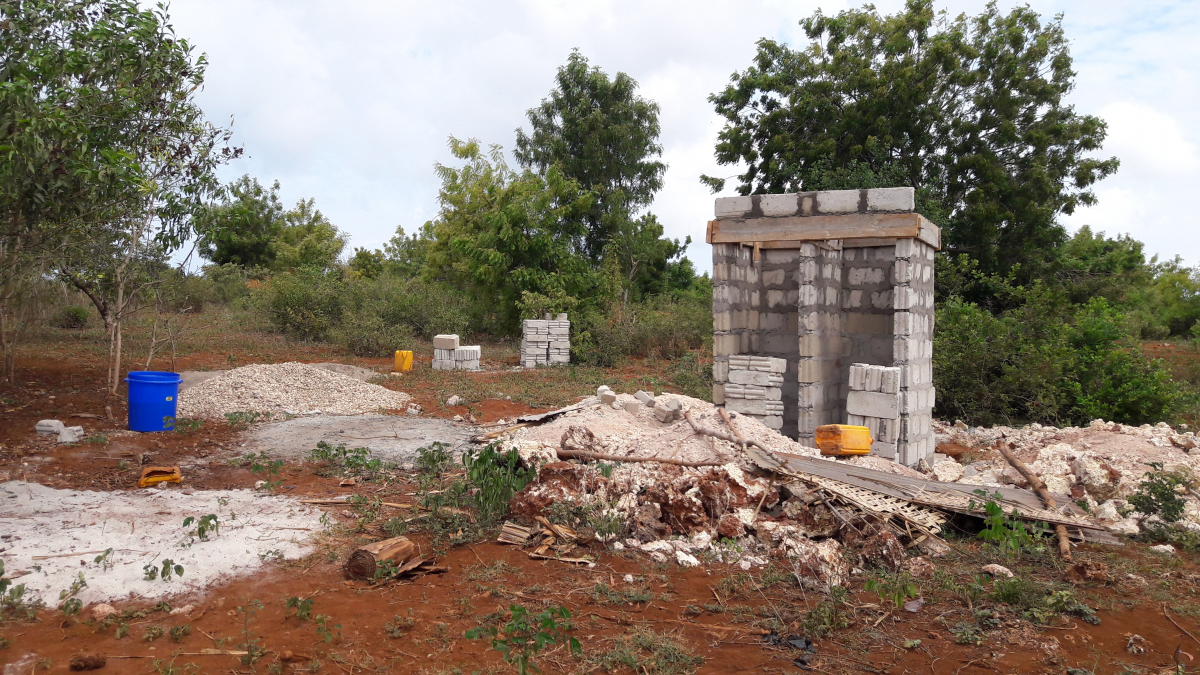
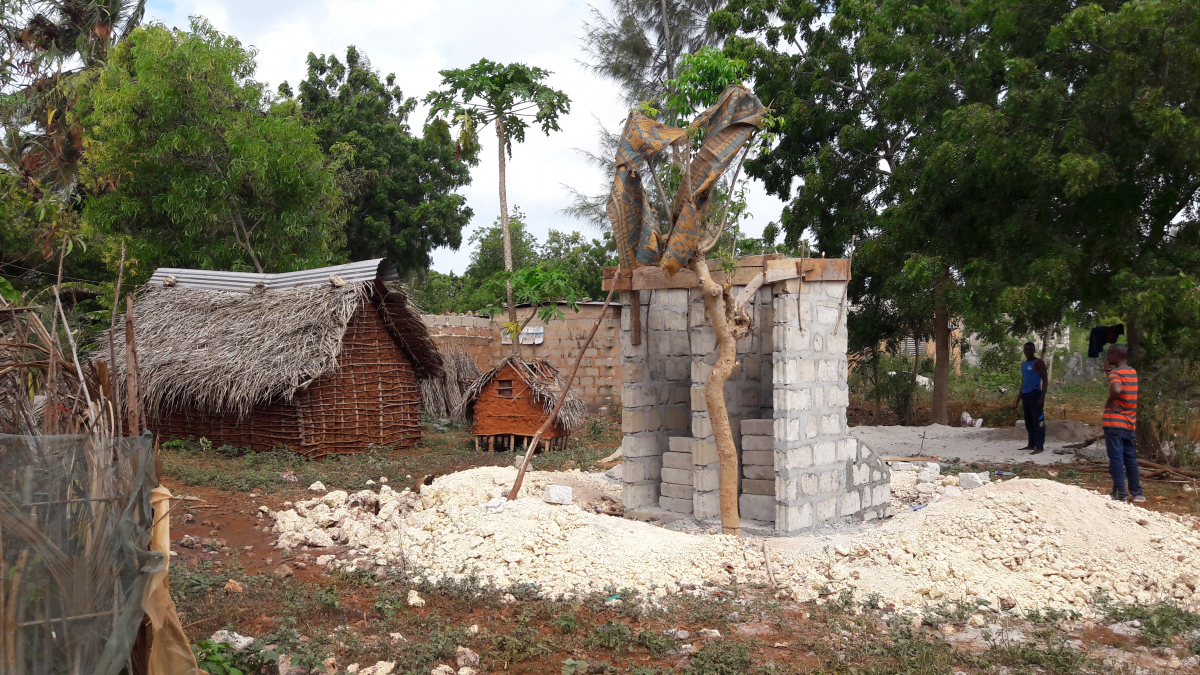
Construction of 16 dry toilets in the district of Kidoti, northern Zanzibar. We could build six doubles, one triple and one single toilet ind the widely scattered hamlets Kidagoni, Mtakuja, Bundi und Gereji.
Implementation in Fukuchani, January / February 2016
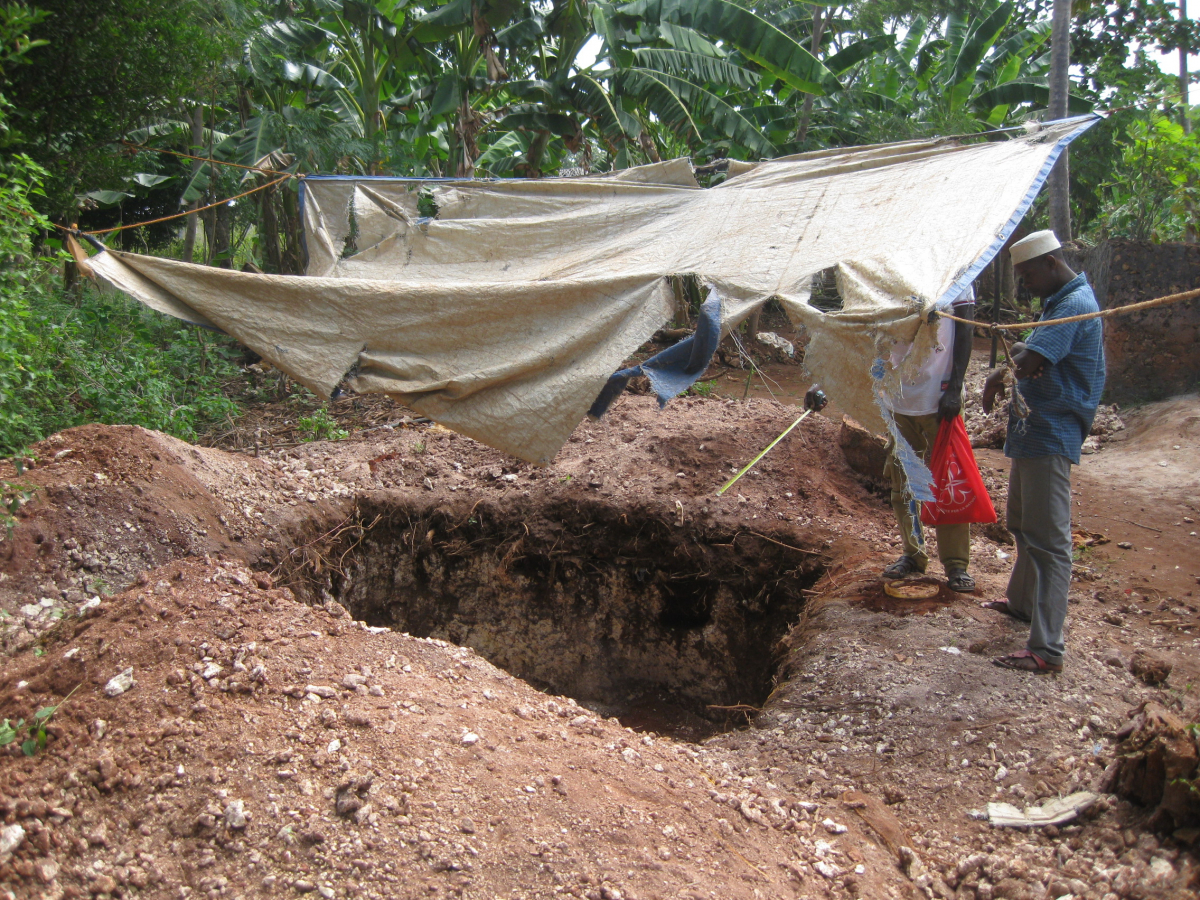
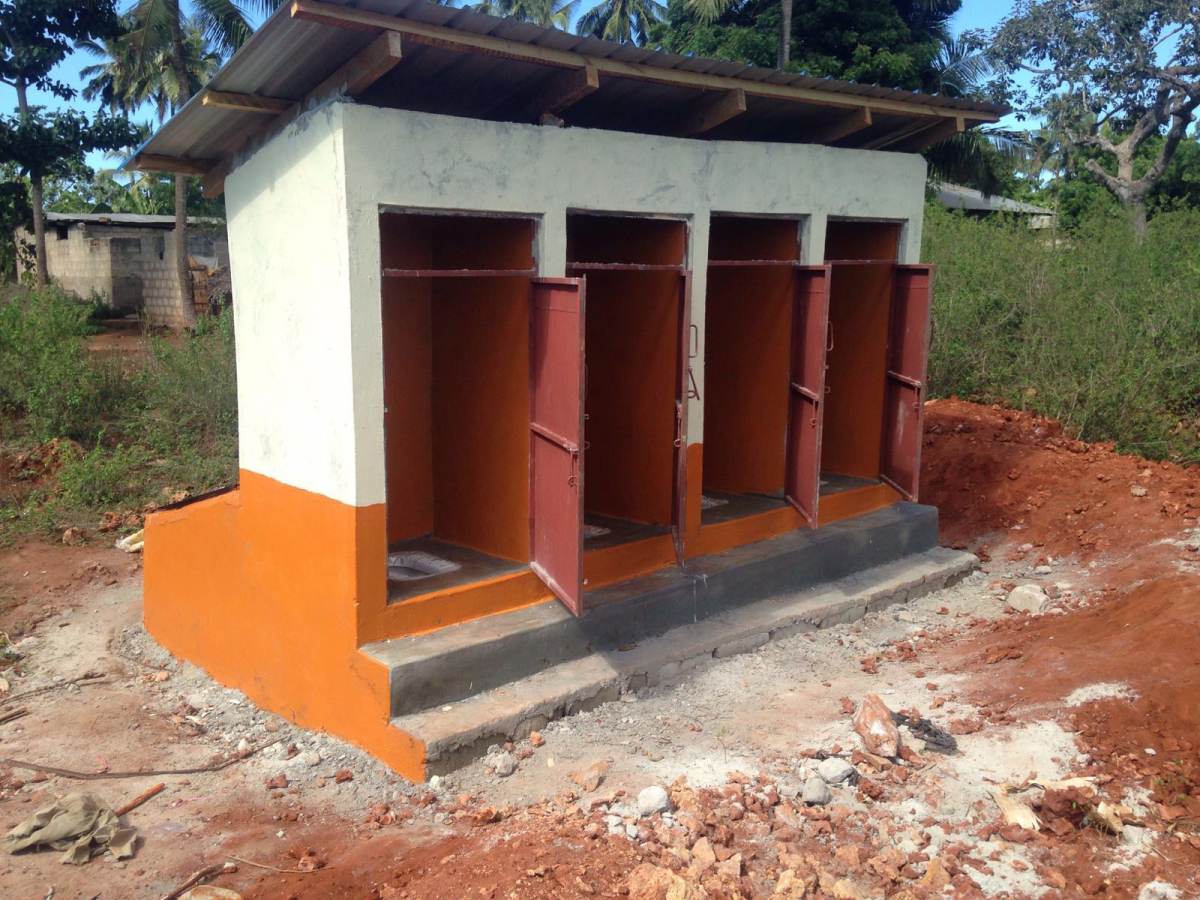
Construction of 16 dry toilets on seven different locations in the district of Fukuchani, northern Zanzibar.

Implementation in Jasini, August 2015
Construction of 10 dry toilets on five different locations in the village of Jasini (mainland Tanzania). By implementing this follow-up project, we could build 20 toilets in Jasini until now.
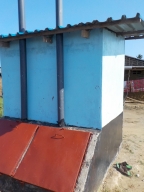
Implementation in Mandakini, January / February 2015
Construction of 8 dry toilets on four different locations in the village of Mandakini (mainland Tanzania). Like the neighbouring village Jasini, Mandakini is fighting every year many cases of gastrointestinal diseases due to the lack of sanitary facilities.
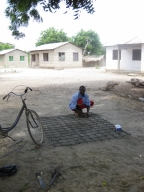
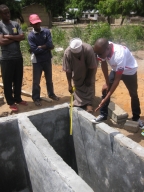
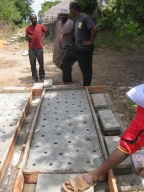
Implementation in Jasini, May / June 2014
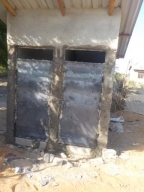
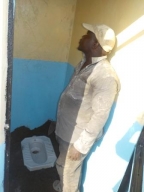
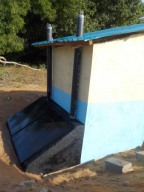
Construction of 10 dry toilets on five different locations in the village of Jasini (mainland Tanzania). Due to lack of sanitary facilities the village bemoaned yearly casualties of typhoid and cholera.
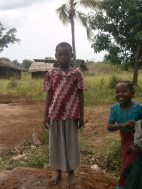
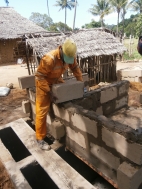
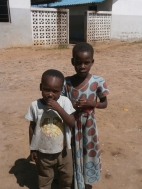
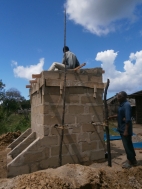
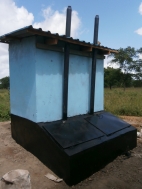
Implementation in Kigunda (follow up), January, February 2014
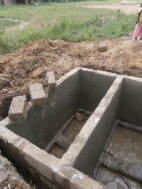
Construction of 10 more toilets on four different sites in the village. The villagers of Kigunda contacted us directly with the request for more sanitary facilities. We were more than pleased to support this self-initiative village.
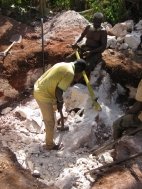
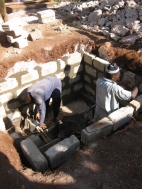
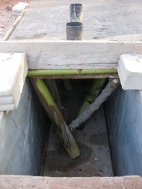
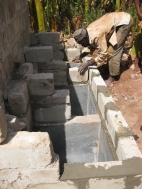


Implementation in Kigunda, January - May 2012
Building of 4 toilets at the premises of the primary and secondary school in Kigunda (about 500 pupils) and of 3x two toilets in the village.
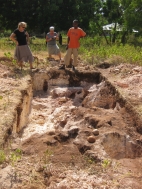
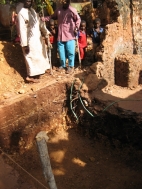
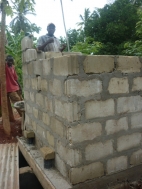
Implementation in Nungwi, February - June 2011 (pilot project)
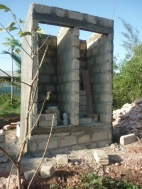
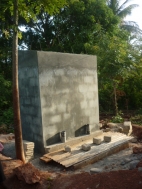
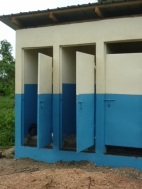
Building of 12 toilets and a water tower with a water tank at the premises of the primary and secondary school in Nungwi (about 2'000 pupils).